
High-quality homes, detailed for healthier living in Bunbury and the South West.
Performance Built WA combines refined finishes with building-science-led detailing to create homes that feel better, perform better and last longer across Bunbury and the surrounding 100 km South West WA service area.
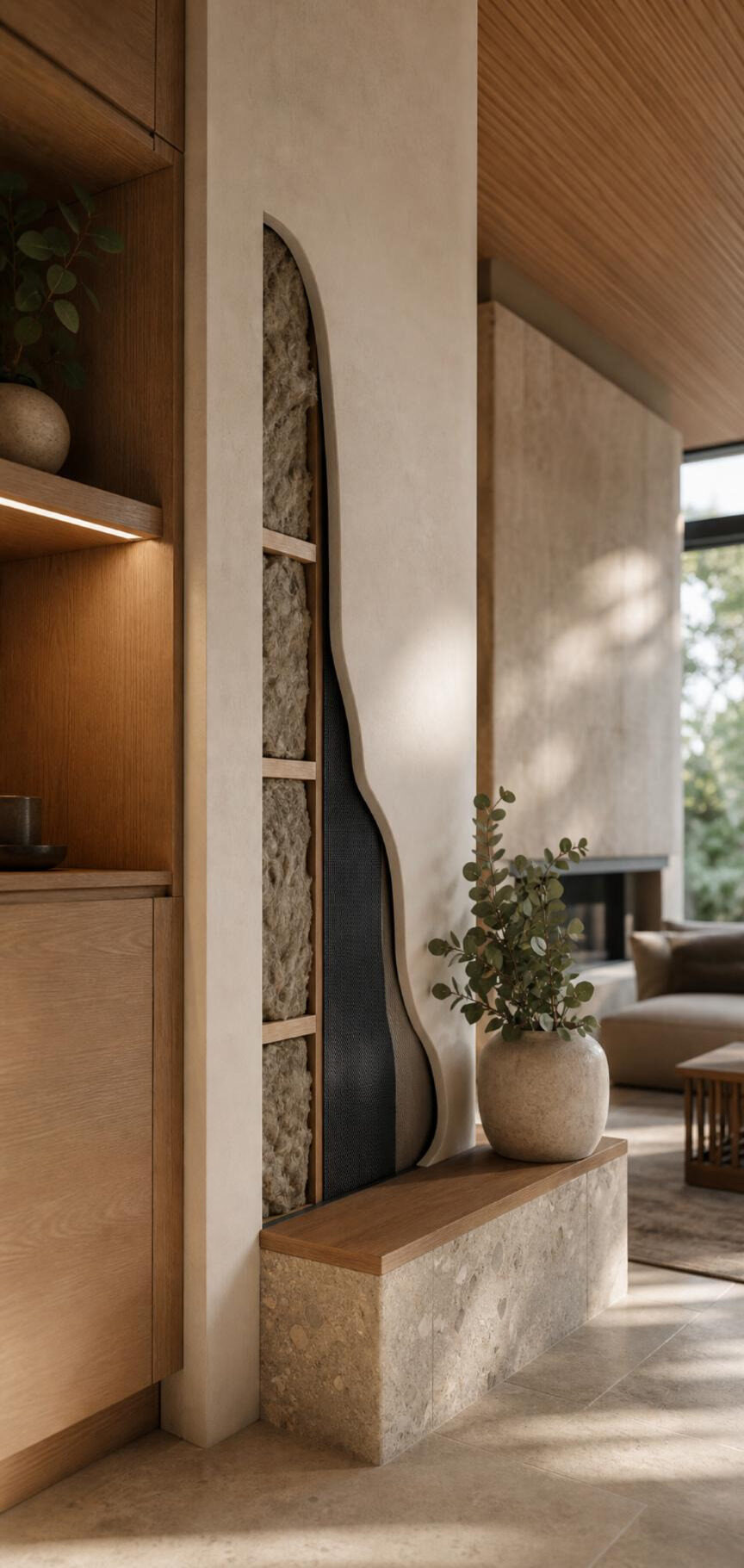
 Healthy-home envelopePremium finishes supported by considered building science.
- Building Licence BC101974
- 20+ years' experience
- Australian Passive House Association member
- Locally owned in Bunbury
Performance Built WA in brief
- What we do
- Custom new homes, design and pre-construction planning
- Where
- Bunbury and ~100 km across South West WA
- Who
- Adam Francis, Director — 20+ years in building
- Licence
- WA Building Licence BC101974
- Approach
- Building-science detailing for comfort, health and durability
- Membership
- Australian Passive House Association member (not project certification)
- Start here
- Home Planning Questionnaire
- Phone
- 0427 775 173
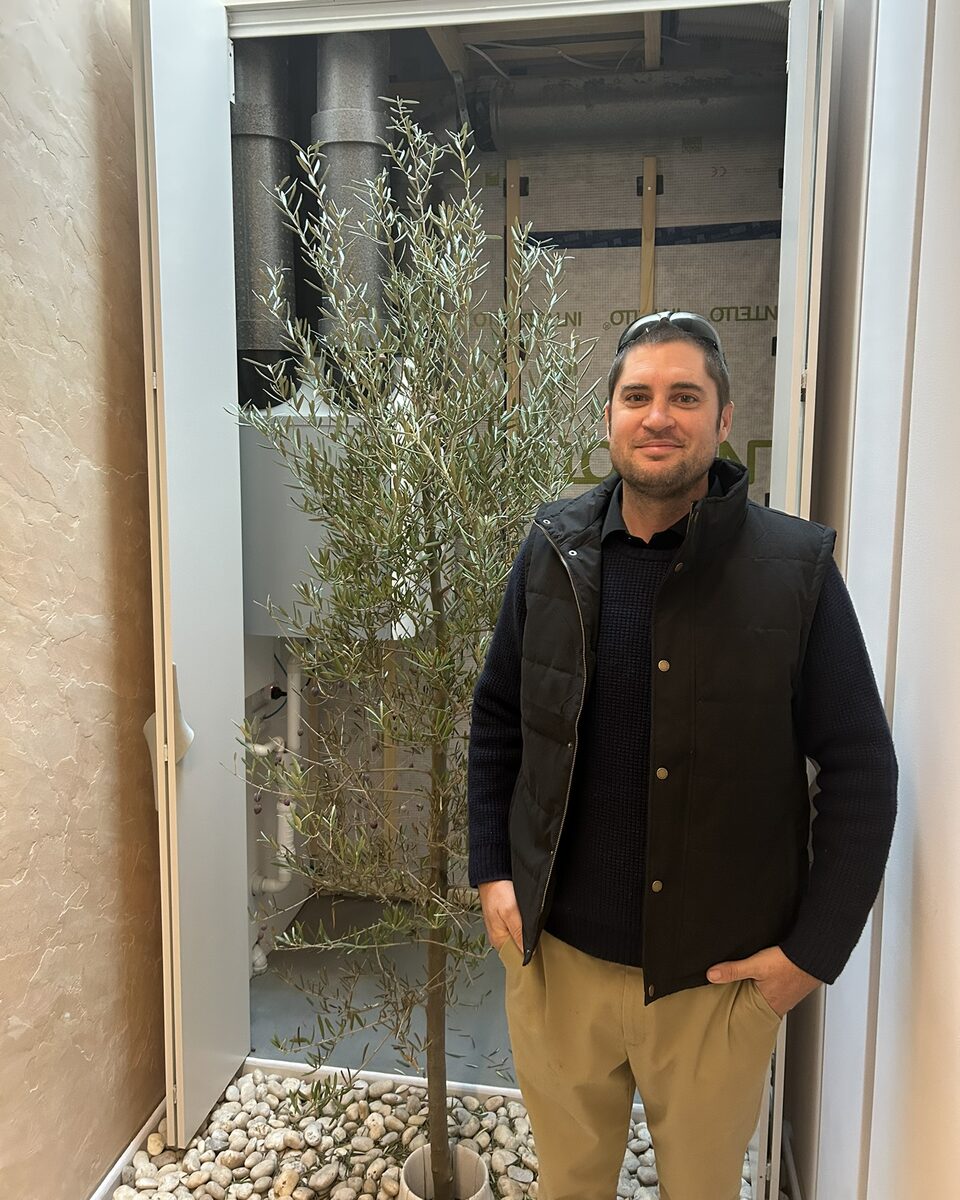
Led by experience, detailed for healthier homes.
Adam is the Director of Performance Built WA and has spent more than 20 years in the building industry. As a husband and dad to three, he’s passionate about quality building and healthier homes, and knows how much comfort and healthy indoor conditions matter to everyday family life.
His focus is on homes that feel better to live in, are detailed with care and are built for the long term. He sees a well-built home as an important family asset — one that can serve a family for generations. Quality and durability can help avoid unnecessary repairs and waste — a practical benefit for families and the wider community.
More about AdamA closer look at our work.
Thoughtful spaces, natural materials and homes shaped around the way people want to live.
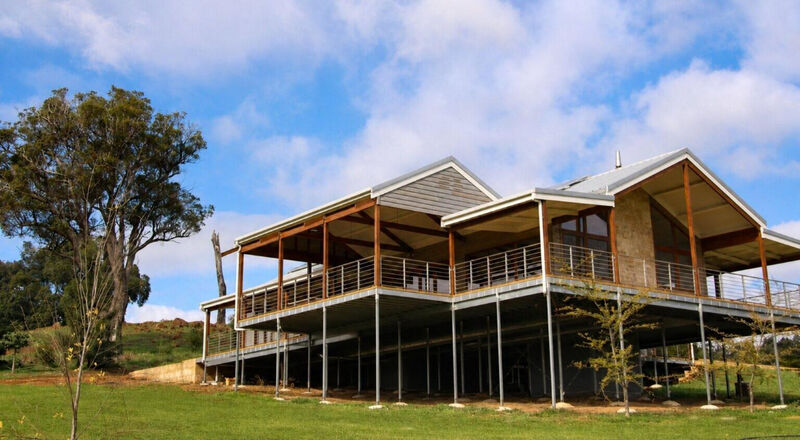
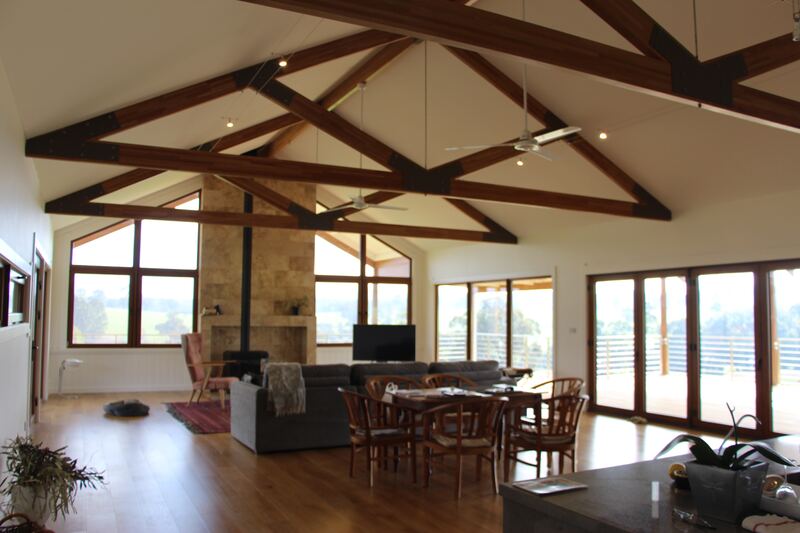
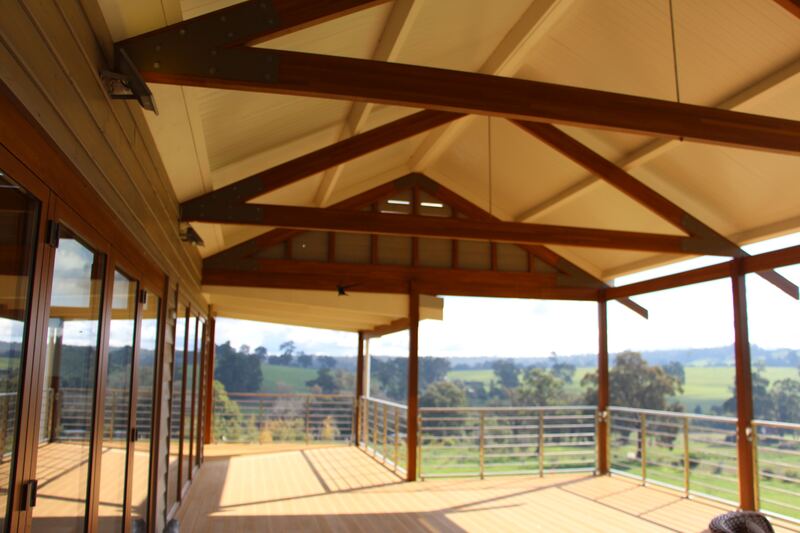
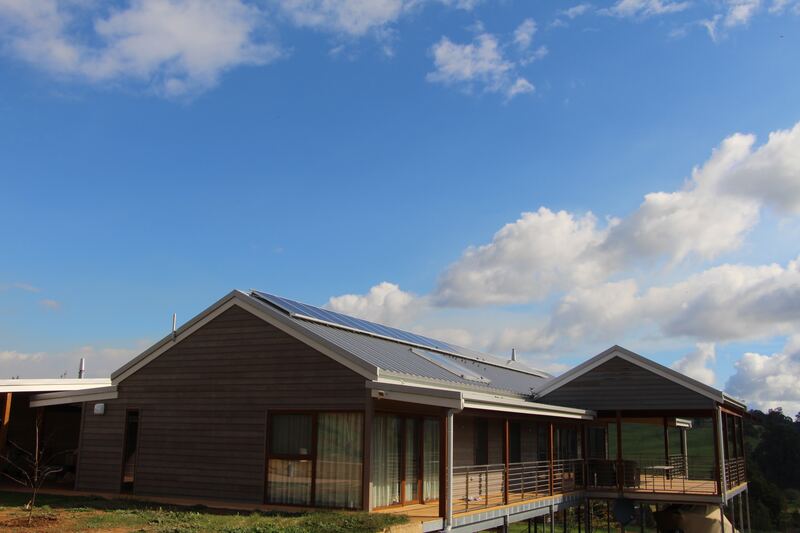
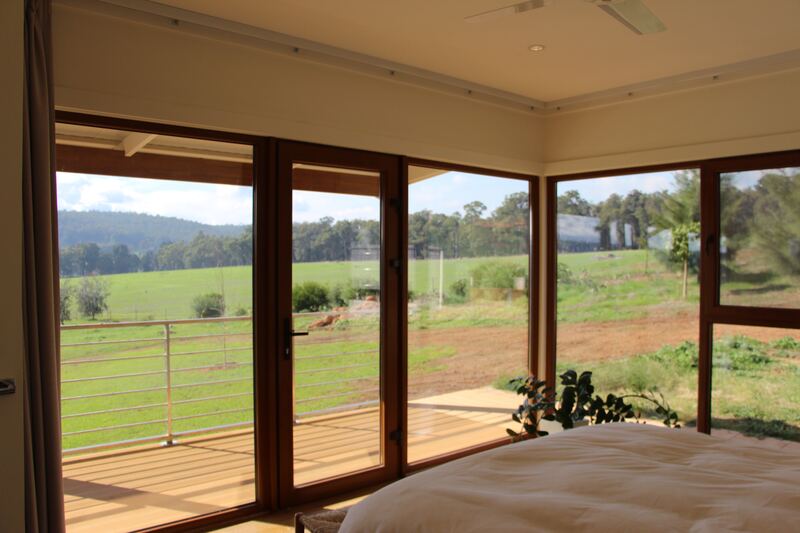
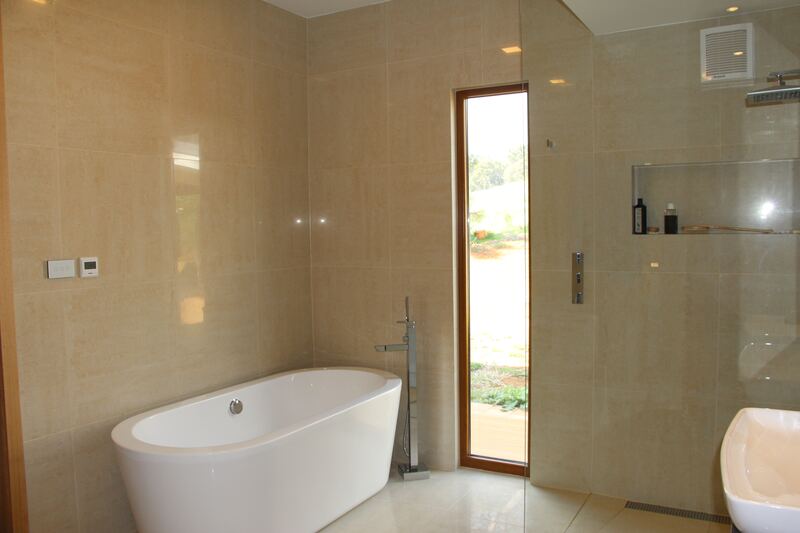
“Adam built our 420 m² architect-designed home — a high-end build that took around 18 months. I had no problems or regrets with his expertise or dedication to the project. He showed excellent knowledge of every aspect of the build. I'd recommend Adam to any of my close friends.”
We help people build homes they can feel confident in — homes that look beautiful, live healthier, perform better, and stand the test of time.
Comfort first
Homes planned around year-round comfort, stable interior conditions and fewer draughts.
Moisture-aware
Careful rain and moisture details help lower the chance of damp, condensation and long-term damage.
Built with clarity
Design, budget, specification and buildability reviewed before the project locks in.
“The connection between health and the dwelling of the population is one of the most important that exists.”
See how windows, wall systems and airtightness affect comfort and energy use.
Move the sliders and watch the estimated comfort score, running cost and indoor living indicators change in real time. The calculator also shows how small annual differences can add up across a simple 20-year operating view.
Try the Comfort CalculatorComfort
Steadier temperatures, fewer cold spots and less overheating.
Moisture
Warmer surfaces and controlled air leakage reduce the conditions that lead to condensation.
Healthier-feeling homes come from controlling the basics properly.
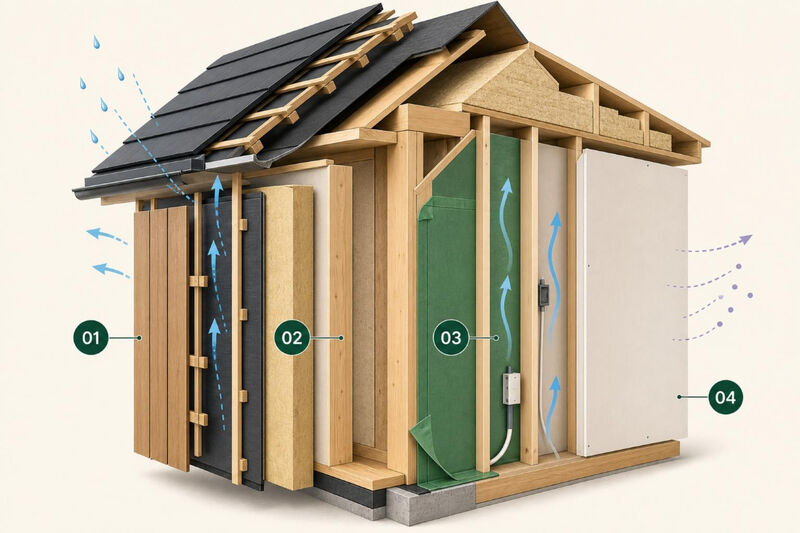
Why the hidden details — rain control, airflow, insulation and ventilation — decide how your home feels and how long it lasts.
Keep water out first
A well-detailed roof, cladding and flashing sheds rain and gives any water behind the outside a way to drain — helping protect the structure from leaks and rot.
Control air movement
Unplanned gaps let draughts in and heated or cooled air out, which can push power bills up. Careful sealing helps, while planned ventilation keeps fresh air flowing.
Help walls dry out
Walls can get damp from leaks or everyday moisture. The right layers help moisture move out rather than stay trapped, lowering the risk of condensation and mould.
Ventilate deliberately
A planned flow of fresh air helps clear stale, moist air from inside — supporting a fresher-feeling home and reducing moisture build-up.
“A home should protect your health, not just your belongings.”
“Comfort, health and durability are built long before the finishes go on.”Adam Francis, Director
Start with the pathway that matches your project.
Custom home builder Bunbury
Performance Built WA helps clients in Bunbury and nearby South West WA areas plan and build high-quality homes with clearer decisions before construction starts.
Learn moreHigh-performance homes Bunbury
A higher-performing home should feel better to live in and be easier to trust over time. The difference is usually in the details behind the walls, roof, windows and ventilation strategy.
Learn morePre-construction planning Bunbury
Performance Built WA helps Bunbury and South West WA clients get clearer about budget, design, specification, buildability and performance goals before the project is too far committed.
Learn moreHealthy homes South West WA
A healthier-feeling home is not created by one product or label. It comes from the way the building envelope manages rain, air movement, moisture, insulation and fresh air.
Learn moreMoisture-aware building WA
Moisture risk is not only about leaks. Water vapour, air movement, drying potential, climate zone, wall wraps and ventilation all influence how a home performs over time.
Learn moreService areas South West WA
New homes and design within roughly 100 km of Bunbury.
Learn moreBuilding science, FAQs and guides — all in one place.
How to choose a builder for a high-performance healthy home
A practical, no-hype guide to the questions worth asking before you commit to a builder for a high-performance, healthier home in Bunbury and South West WA.
Read the guideBuild once, build right: why building cheap often means building twice
A practical look at why the cheapest quote is not always the cheapest home once you count running costs, maintenance and comfort over 20–40 years of living in it.
Read the guideGood homes are built on good relationships.
Why the relationship between a builder and client matters as much as the build itself — and how the months of planning before construction starts are where that trust is actually built.
Read the guidePassive House vs. high-performance: what's the real difference?
A plain-English explainer on what separates Passive House certification from high-performance building principles, and how to decide which approach fits your project.
Read the guideWhat “sustainable” really means to us.
Sustainable has become a marketing word for a lot of builders. For us, it simply means building a home well enough that it lasts — because a home that lasts uses far fewer resources than one that doesn't.
Read the guideClear answers before you commit.
A better home starts with better questions. These are the practical details clients often want to understand before planning, pricing or building.
What makes a Performance Built WA home different?
A Performance Built WA home is planned around more than the visible finish. We focus on the details behind the walls — moisture control, airtightness, insulation continuity, ventilation thinking, buildability and long-term durability — so the home can feel better to live in and perform better over time.
What do you mean by a healthier home?
We use healthier home to describe a home designed to support drier, fresher and more comfortable indoor conditions. That includes thinking about moisture, ventilation, condensation risk, material durability and thermal comfort.
We do not make medical claims or promise guaranteed health outcomes. The goal is to create better indoor conditions that support the long-term wellbeing of the people living in the home.
Does a high-performance home cost more?
A higher-performing home can require more investment during the build phase, because the details behind the finish matter — insulation continuity, airtightness, better windows, moisture-aware wall systems, ventilation planning and careful installation all take thought and care.
But the cost should not only be judged on the day you sign the building contract. A better-performing home can help reduce ongoing heating and cooling demand, which matters more as energy costs continue to rise. Good planning can also help prioritise the upgrades that deliver the most value, rather than spending money on features that do not improve comfort, durability or long-term performance.
There is also a non-monetary cost to consider. A home that is uncomfortable, damp, poorly ventilated or difficult to keep warm and cool can affect the way people feel every day. We believe a home should support the long-term wellbeing of the people living in it — with drier, fresher, more stable indoor conditions and fewer hidden compromises.
In short, the question is not just “what does it cost to build?” It is also “what will it cost to live in, maintain, heat, cool and rely on for the next 20, 30 or 40 years, compared with a home built only to minimum standard?”
Can you help before I have final plans?
Yes. In many cases, this is the best time to involve us.
Having Performance Built WA involved during the planning phase helps make sure the design is being shaped with buildability, functionality, budget and performance in mind from the start. This can reduce the back and forth between designers, architects and the builder later, because key details are considered before the plans are too far developed.
The result is fewer redesign loops, fewer assumptions and fewer late changes — saving time and money while helping the finished design work better as a home, not just as a set of drawings.
Why is pre-construction planning so important?
The cheapest variation is the one avoided before construction starts. Pre-construction planning helps clarify the design, budget, specification, performance goals and buildability before the project locks in.
This means fewer assumptions, fewer surprises and more confident decisions before construction begins.
Is this the same as building a Passive House?
Not necessarily. Passive House is a specific certification pathway. Performance Built WA applies practical high-performance building principles — such as airtightness, insulation, ventilation and moisture-aware detailing — without claiming certification unless a project is specifically designed and certified that way.
Do you only build high-performance homes?
No. We can help with high-quality new homes, design and planning advice, then scale the level of performance detail to suit the project goals, budget and site conditions.
The aim is always the same: better decisions, better detailing and a home built with care.
What should I do if I’m thinking about building?
Start with the Home Planning Questionnaire. It helps clarify your site, budget, design stage and goals so we can understand whether you need early planning support, a quality new home pathway, or a more detailed high-performance approach.

Thinking about building?
Start with the Home Planning Questionnaire. It helps clarify your site, budget, design stage and goals so we can recommend the right next step.